
Creating Unique Visuals: Tips for Aspiring Photographers
- Althony Buchanan
- Sep 25, 2025
- 4 min read
Photography is more than just pressing a button. It is an art form that allows you to express your vision and tell stories through images. Whether you are a beginner or have some experience, creating unique visuals can set your work apart. In this post, we will explore practical tips to help you enhance your photography skills and develop your own style.
Understand Your Camera
Before you can create unique visuals, you need to understand your camera. Familiarize yourself with its settings and features.
Manual Mode: Learn to use manual mode. This gives you control over exposure, aperture, and shutter speed.
Lens Options: Different lenses can create different effects. A wide-angle lens captures more of the scene, while a telephoto lens can bring distant subjects closer.
Experiment: Don’t be afraid to experiment with different settings. Take the same shot with various settings to see how they change the image.
Composition is Key
Composition is crucial in photography. It determines how your subject is framed and how the viewer perceives the image.
Rule of Thirds: Imagine your image divided into nine equal parts. Place your subject along these lines or at their intersections for a balanced look.
Leading Lines: Use natural lines in your environment to lead the viewer’s eye to the subject. Roads, rivers, or fences can create a sense of depth.
Framing: Use elements in your environment to frame your subject. This can add context and focus to your image.
Lighting Matters
Lighting can make or break a photograph. Understanding how to use light effectively is essential for creating unique visuals.
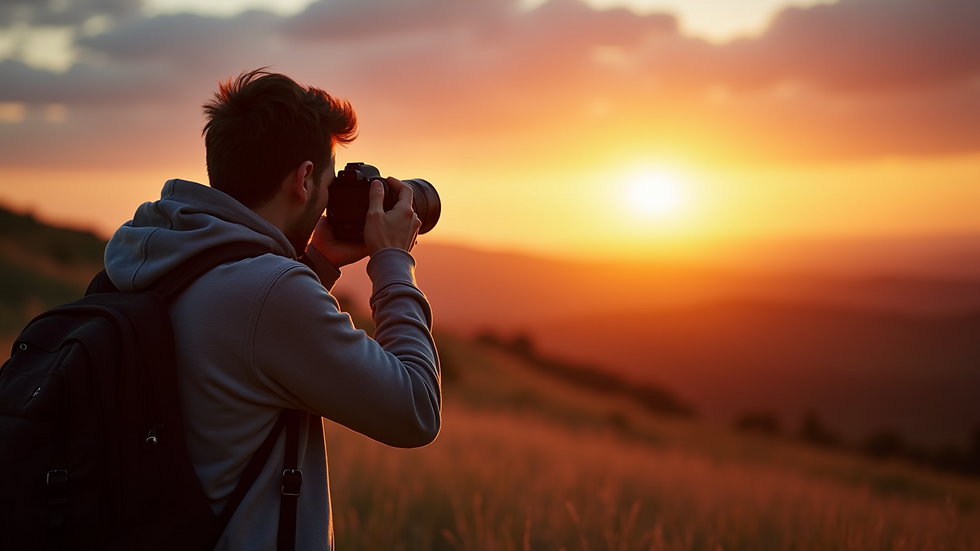
Golden Hour: The hour after sunrise and before sunset provides soft, warm light. This is often the best time for outdoor photography.
Avoid Harsh Light: Midday sun can create harsh shadows. If you must shoot during this time, look for shaded areas or use reflectors to soften the light.
Experiment with Shadows: Shadows can add depth and interest to your images. Play with different angles to see how shadows affect your composition.
Find Your Unique Style
Developing a unique style is important for any photographer. It helps you stand out and makes your work recognizable.
Explore Different Genres: Try various types of photography, such as portrait, landscape, or street photography. This can help you discover what you enjoy most.
Edit Consistently: Use editing software to create a consistent look across your images. This can include color grading, contrast adjustments, and cropping.
Study Other Photographers: Look at the work of photographers you admire. Analyze their style and see what elements you can incorporate into your own work.
Tell a Story
Every photograph has the potential to tell a story. Think about what you want to convey with your images.
Capture Emotions: Look for moments that evoke feelings. A candid shot of a child laughing or a couple sharing a quiet moment can tell a powerful story.
Context is Important: Include elements in your frame that provide context. This can help the viewer understand the story behind the image.
Use Series: Consider creating a series of images that tell a story together. This can be a powerful way to engage your audience.
Practice, Practice, Practice
The best way to improve your photography is through practice. The more you shoot, the better you will become.
Set Challenges: Give yourself specific challenges, such as shooting in black and white or capturing a theme. This can push you to think creatively.
Join a Community: Engage with other photographers. Join online forums or local photography groups to share your work and receive feedback.
Review Your Work: Regularly review your photos. Identify what works and what doesn’t. This can help you learn and grow as a photographer.
Post-Processing Techniques
Post-processing is an essential part of modern photography. It allows you to enhance your images and bring your vision to life.
Basic Adjustments: Start with basic adjustments like exposure, contrast, and saturation. These can significantly improve your images.
Use Presets: Consider using presets to achieve a specific look. Many photographers create their own or use those available online.
Don’t Overdo It: While editing can enhance your images, avoid over-processing. Keep your edits subtle to maintain a natural look.
Gear Doesn’t Define You
While having good gear can help, it is not the most important factor in photography.
Start with What You Have: Use your smartphone or a basic camera to start. Focus on learning the fundamentals before investing in expensive equipment.
Upgrade Gradually: As you improve, consider upgrading your gear. Invest in lenses or accessories that will enhance your photography.
Focus on Skills: Remember, your skills and creativity are what truly matter. Great photographers can create stunning images with any camera.
Stay Inspired
Finding inspiration is crucial for any creative process. Here are some ways to keep your creative juices flowing.
Explore New Places: Visit new locations to find fresh subjects. Even familiar places can look different with a new perspective.
Follow Other Artists: Follow photographers and artists on social media. Their work can inspire you and spark new ideas.
Take Breaks: Sometimes, stepping away from photography can help you return with a fresh perspective.
Final Thoughts
Creating unique visuals is a journey that requires practice, patience, and passion. By understanding your camera, mastering composition, and finding your style, you can elevate your photography. Remember to tell stories through your images and stay inspired.
As you continue to grow, embrace the process and enjoy every moment behind the lens. Your unique perspective is what will make your photography stand out.


Comments