
Capturing Moments: The Art of Photography Explained
- Althony Buchanan
- Sep 25, 2025
- 5 min read
Photography is more than just a hobby; it is a way to capture moments that tell stories. Every click of the shutter freezes time, allowing us to relive memories and share experiences. Whether you are a beginner or an experienced photographer, understanding the art of photography can enhance your skills and deepen your appreciation for this beautiful craft.
Photography is everywhere. From social media to family albums, images surround us. But what makes a photograph truly special? In this post, we will explore the essential elements of photography, tips for capturing stunning images, and the emotional impact of photographs.
Understanding the Basics of Photography
Before diving into techniques, it is important to understand the basic components of photography.
The Camera
Your camera is your primary tool. It can be a smartphone, a point-and-shoot, or a professional DSLR. Each type has its advantages and limitations.
Smartphones: Convenient and always with you, smartphones are great for spontaneous shots.
Point-and-Shoot: These cameras are compact and user-friendly, perfect for casual photography.
DSLR: Digital Single-Lens Reflex cameras offer more control and higher quality images, ideal for serious photographers.
Choosing the right camera depends on your needs and goals.
Composition
Composition refers to how elements are arranged in a photograph. Good composition can make a significant difference in the impact of your image. Here are some key principles:
Rule of Thirds: Imagine dividing your image into a 3x3 grid. Place important elements along these lines or at their intersections for a balanced look.
Leading Lines: Use natural lines in your scene to guide the viewer's eye toward the subject.
Framing: Use elements in your environment to frame your subject, adding depth and context.
Lighting
Lighting is crucial in photography. It can dramatically change the mood and quality of your images.
Natural Light: The golden hour, shortly after sunrise or before sunset, provides soft, warm light that enhances your photos.
Artificial Light: Use flash or studio lights to control the lighting in your shots, especially in low-light situations.
Experimenting with different lighting conditions can help you discover what works best for your style.
Techniques for Capturing Stunning Images
Now that you understand the basics, let’s explore some techniques to elevate your photography.
Focus and Depth of Field
Focusing on your subject is essential. A sharp focus draws attention and creates a connection with the viewer.
Shallow Depth of Field: This technique blurs the background, making your subject stand out. It is great for portraits and close-ups.
Deep Depth of Field: Keep everything in focus for landscapes or group shots. This technique ensures that all elements are sharp and clear.
Experiment with Angles
Changing your perspective can lead to unique and interesting photographs.
High Angle: Shooting from above can provide a different view of your subject, making it look smaller or more vulnerable.
Low Angle: Shooting from below can make your subject appear larger and more powerful.
Eye Level: This is the most common angle and creates a natural connection with the viewer.
Capture Movement
Photographing movement can add energy and excitement to your images.
Motion Blur: Use a slower shutter speed to capture the motion of your subject, creating a sense of movement.
Freeze Action: Use a fast shutter speed to freeze a moment in time, perfect for sports or wildlife photography.
Experimenting with these techniques can help you find your unique style.
The Emotional Impact of Photography
Photography is not just about technical skills; it is also about emotions. A powerful photograph can evoke feelings and tell a story.
Telling a Story
Every photograph has a story to tell. Think about what you want to convey through your images.
Candid Shots: Capturing people in their natural state can reveal genuine emotions and connections.
Environmental Portraits: Show your subject in their environment to provide context and depth to their story.
Evoking Emotion
Consider the emotions you want to evoke in your audience.
Joy: Bright colors and smiling faces can create a sense of happiness.
Nostalgia: Black and white images or vintage filters can evoke feelings of nostalgia.
Serenity: Soft lighting and calm scenes can create a peaceful atmosphere.
By understanding the emotional impact of your photographs, you can create images that resonate with viewers.
Practical Tips for Improving Your Photography Skills
Improving your photography skills takes practice and patience. Here are some practical tips to help you along the way.
Practice Regularly
The best way to improve is to practice. Take your camera with you everywhere and shoot as often as you can.
Daily Challenges: Set a goal to take a photo every day. This will help you develop your eye for composition and lighting.
Join a Photography Group: Connecting with other photographers can provide valuable feedback and inspiration.
Learn from Others
Study the work of other photographers to gain inspiration and learn new techniques.
Online Tutorials: There are countless resources available online, from YouTube videos to photography blogs.
Books and Magazines: Read about photography techniques and view stunning images to spark your creativity.
Edit Your Photos
Post-processing can enhance your images and bring your vision to life.
Editing Software: Use programs like Adobe Lightroom or Photoshop to adjust exposure, contrast, and color.
Filters and Presets: Experiment with different filters to find a style that suits your vision.
Editing is an essential part of the photography process, allowing you to refine your images.
The Joy of Sharing Your Work
Once you have captured stunning images, it is time to share them with the world.
Social Media
Platforms like Instagram and Facebook are great for showcasing your work.
Create a Portfolio: Use social media to build a portfolio of your best images.
Engage with Others: Connect with fellow photographers and art enthusiasts to gain feedback and support.
Print Your Photos
Printing your work can bring a new dimension to your photography.
Photo Books: Create a photo book to showcase your favorite images and tell a story.
Wall Art: Print your images on canvas or high-quality paper to display in your home or share as gifts.
Sharing your work can be a rewarding experience, allowing you to connect with others and celebrate your passion.
Final Thoughts on the Art of Photography
Photography is a beautiful way to capture moments and tell stories. By understanding the basics, experimenting with techniques, and embracing the emotional impact of your images, you can elevate your photography skills.
Remember, the journey of photography is ongoing. Keep practicing, learning, and sharing your work. Each photograph you take is a step toward mastering the art of photography.
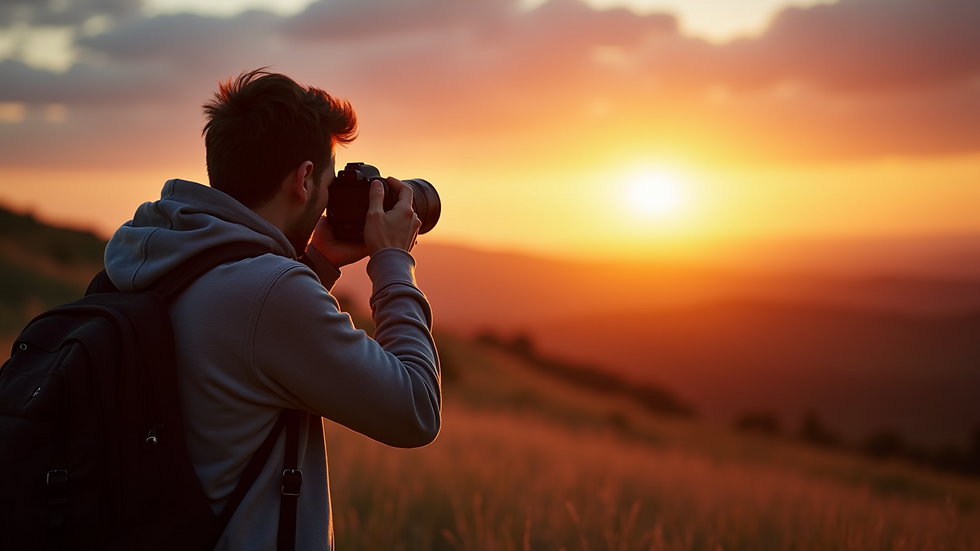
Embrace the joy of capturing moments, and let your creativity shine through your lens. Happy shooting!


Comments